How to Avoid Altitude Sickness in Cusco: The Ultimate Guide for an Unforgettable Adventure
How to Avoid Altitude Sickness in Cusco: The Ultimate Guide for an Unforgettable Adventure
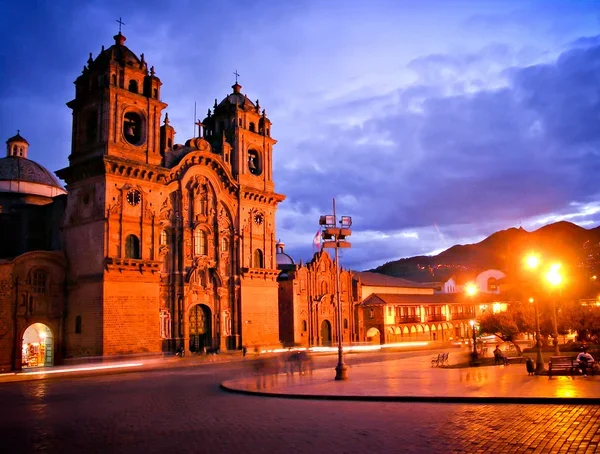
Cusco, the ancient capital of the Inca Empire, is a captivating destination with its millennial history, breathtaking landscapes, and vibrant culture. However, when planning your trip to this Andean gem, a common concern naturally arises: altitude sickness, locally known as "soroche." At Inca Expedition, your LOCAL TRAVEL AGENCY AUTHORIZED BY DIRCETUR CUSCO (RUC 20610938265), we understand your concerns and have prepared this comprehensive guide to ensure your experience in the Peruvian Andes is as pleasant and memorable as possible, free from altitude-related setbacks.
Our team of local experts and certified bilingual guides is here to provide you with the most accurate information and practical advice so you can fully enjoy every moment in Cusco and its wonders, including the majestic Machu Picchu.
Understanding Soroche: Symptoms and Causes in Cusco
Altitude sickness, or soroche, is a physiological condition that can affect individuals who ascend rapidly to high altitudes without proper acclimatization. Cusco sits at 3,399 meters above sea level (11,152 feet), a considerable altitude that implies lower atmospheric pressure and, consequently, a lower concentration of oxygen in the air. Your body needs time to adapt to this new condition.
Common Symptoms of Soroche in Cusco
It's crucial to recognize the symptoms of soroche in Cusco to act promptly. Generally, they appear between 6 and 24 hours after arrival and may include:
- Headache: This is the most frequent symptom, often described as pressure or throbbing.
- Nausea and/or vomiting: A feeling of stomach discomfort that may lead to expelling stomach contents.
- Fatigue and weakness: Feeling unusually tired or lacking energy, even with minimal activity.
- Dizziness and lightheadedness: A sensation of instability or disorientation.
- Difficulty sleeping: Insomnia or interrupted sleep.
- Loss of appetite: A decreased desire to eat.
- Shortness of breath: Feeling out of breath, even at rest.
It's important to note that these symptoms are usually mild and temporary. Most travelers acclimatize without major issues. However, in rare cases, altitude sickness can progress to more severe conditions such as High-Altitude Pulmonary Edema (HAPE) or High-Altitude Cerebral Edema (HACE), which require immediate medical attention. If you experience severe symptoms like intense shortness of breath, persistent cough with pink sputum, mental confusion, or loss of coordination, seek medical assistance immediately.
💡 Local Guide Tip: "Listen to your body. Don't try to be a hero. If you feel any symptoms, stop, rest, and re-evaluate. Haste is the worst enemy of acclimatization in Cusco."
The Key to Success: Acclimatization in Cusco and the Sacred Valley
The most effective strategy to prevent altitude sickness is gradual acclimatization. Your body needs time to produce more red blood cells and adjust its respiratory and circulatory systems to the lower oxygen availability.
Cusco Acclimatization Days: How Much Time Do You Need?
For most travelers, a minimum of 2 full days of rest and acclimatization in Cusco or the Sacred Valley is recommended before undertaking intense physical activities or treks above 4,000 m (13,123 ft).
- Day 1: Arrive in Cusco. Rest, hydrate, and engage in very light activities.
- Day 2: Explore the city at a leisurely pace, or consider a gentle tour like the Cusco City Tour to familiarize yourself with the surroundings without overexerting yourself.
An excellent alternative for smoother acclimatization is to start your trip in the Sacred Valley of the Incas. Located at a lower altitude than Cusco (Ollantaytambo/Urubamba: 2,792 - 2,870 m / 9,160 - 9,416 ft), the Sacred Valley offers an ideal environment for your body to adapt gradually. Many of our travelers choose to spend their first nights there, enjoying its landscapes and archaeological sites like Pisac and Ollantaytambo, before ascending to Cusco.
Practical Strategies: What to Do and Take for Altitude in Machu Picchu and Cusco
Beyond just time, there are a number of proactive measures you can take to mitigate the effects of soroche and ensure a pleasant experience.
Constant Hydration
- Drink plenty of water: This is the most important recommendation. Stay hydrated by drinking 2 to 3 liters of water daily, starting even before your arrival in Cusco. Avoid dehydration, as it can exacerbate altitude sickness symptoms.
- Avoid alcohol and caffeine: These substances can dehydrate your body and worsen symptoms. Limit your consumption, especially during the first 24-48 hours.
Smart Eating
- Light, Low-Fat Meals: Opt for easily digestible foods rich in complex carbohydrates. Avoid heavy, greasy, or spicy meals, which can hinder digestion and increase discomfort. Soups, broths, fruits, and vegetables are excellent choices.
- Avoid tobacco: Smoking reduces your blood's ability to carry oxygen, which is counterproductive at altitude.
Natural and Popular Remedies
- Coca Tea (Mate de Coca): This infusion is an ancestral Andean remedy and is widely offered in hotels and restaurants. Coca leaves contain alkaloids that help improve blood oxygenation and alleviate mild soroche symptoms. It is a natural and safe option.
- Coca Candies: Another practical way to consume coca, ideal for carrying on your excursions.
Medications (Consult Your Doctor)
- What to take for altitude in Machu Picchu and Cusco? While acclimatization and natural remedies are very effective, some people opt for preventive medications. It is IMPERATIVE that you consult with your doctor beforehand before taking any controlled medication, such as acetazolamide (known in Peru as Sorojchi Pills). Your doctor can evaluate your medical history and determine if it is appropriate for you. Never self-medicate.
Slow Pace and Adequate Rest
- Move slowly: Avoid intense physical exertion during the first few days. Walk at a leisurely pace, especially when climbing stairs or hills.
- Rest adequately: Get enough sleep. Good nightly rest is essential for your body to recover and adapt.
💡 Local Guide Tip: "When you arrive in Cusco, take a leisurely stroll around the Plaza de Armas or visit the San Pedro Market. These activities allow you to move effortlessly and soak in the local culture while your body adapts. Don't try to climb Sacsayhuamán on the first day!"
Key Altitudes in Your Cusco and Machu Picchu Adventure
Understanding the altitudes of different destinations will help you plan your itinerary intelligently.
| Destination | Altitude (m) | Altitude (ft) | Altitude Sickness Risk Level | Acclimatization Recommendation |
|---|---|---|---|---|
| Cusco City | 3,399 | 11,152 | Moderate to High | Minimum 2 days of rest |
| Sacred Valley (Ollantaytambo/Urubamba) | 2,792 - 2,870 | 9,160 - 9,416 | Low to Moderate | Excellent for initial acclimatization |
| Aguas Calientes (Machu Picchu Pueblo) | 2,040 | 6,693 | Very Low | No specific acclimatization required |
| Machu Picchu (Llaqta) | 2,430 | 7,972 | Low | No specific acclimatization required |
| Warmiwañusqa Pass (Inca Trail) | 4,215 | 13,829 | High | Mandatory prior acclimatization |
| Humantay Lake | 4,200 | 13,780 | High | Mandatory prior acclimatization |
| Salkantay Pass | 4,630 | 15,190 | Very High | Mandatory prior acclimatization |
| Rainbow Mountain (Vinicunca) | 5,200 | 17,060 | Very High | Mandatory prior acclimatization |
Important! As you can see in the table, Machu Picchu (2,430 m / 7,972 ft) is located at a significantly lower altitude than Cusco city (3,399 m / 11,152 ft). This means that, once you have completed your acclimatization in Cusco, your visit to the Inca Citadel will be much more comfortable in terms of altitude.
Planning Your Itinerary with Inca Expedition: From Acclimatization to Adventure
At Inca Expedition, we design our tour packages with your well-being and enjoyment in mind. Our experience as a local authorized DIRCETUR tourism agency allows us to offer itineraries that facilitate progressive acclimatization.
Initial Days: Gentle Acclimatization
For your first few days, we recommend activities that allow you to adapt effortlessly.
- Arrival and Rest: Upon arrival at Cusco airport, our team will welcome you and transfer you to your hotel. Dedicate the rest of the day to resting and following hydration and nutrition recommendations.
- Light Exploration: Consider a Sacred Valley Full Day Tour, which will allow you to descend to lower altitudes and enjoy spectacular landscapes while your body adapts. Or explore the city with our Cusco City Tour, visiting sites like Qorikancha and Sacsayhuamán at a relaxed pace.
The Wonder of Machu Picchu: Lower Altitude, Greater Enjoyment
Once acclimatized, you'll be ready for the crown jewel: Machu Picchu. Remember that the Llaqta (citadel) is located at 2,430 m (7,972 ft), an altitude that most travelers find very manageable.
- Machu Picchu Tickets: Official entrance tickets to the Machu Picchu Llaqta are exclusively managed by the Peruvian Ministry of Culture (tuboleto.cultura.pe) and have a strictly limited daily capacity. It is emphatically recommended to purchase weeks or months in advance, especially during high season. At Inca Expedition, the formal management of your tickets is included in our complete packages, guaranteeing your access to this sacred site. Official prices vary depending on the circuit and train type.
- Official Circuits: Currently, there are official circuits (Circuit 1 Panoramic, Circuit 2 Classic, Circuit 3 Royalty, and Huayna Picchu/Huchuy Picchu Mountains) that regulate visitor flow. Our guides will advise you on the best circuit for your visit.
- Train Transportation: To reach Machu Picchu, you will travel by train from stations such as Ollantaytambo or Poroy. There are two official concessionary companies: PeruRail and Inca Rail, with options like Expedition, Vistadome, 360°, or Voyager, which offer panoramic windows to enjoy the scenery. Please note that luggage on tourist trains is limited to 5 kg (11 lbs) per passenger (hand backpack or day bag). Large suitcases are stored free of charge at your hotel in Cusco.
- Your Visit with Inca Expedition: Our Machu Picchu Full Day Tour is designed to maximize your experience, including transportation, entrance fees, and a certified official guide who will reveal the secrets of this wonder.
High-Altitude Trekkings: Essential Preparation
For those seeking a more challenging adventure, such as the Inca Trail or Rainbow Mountain, acclimatization is even more critical.
- Inca Trail: The limit is 500 people per day (including porters and guides) and must be booked 4 to 6 months in advance. The highest pass, Warmiwañusqa, reaches 4,215 m (13,829 ft). Our packages, such as the Inca Trail to Machu Picchu: 4-Day, 3-Night Adventure, include detailed preparation and expert guides to ensure your safety.
- Rainbow Mountain (Vinicunca): At 5,200 m (17,060 ft), this is one of the highest altitude excursions. It is essential to have spent at least 2-3 full days of acclimatization in Cusco before attempting this hike. Our Rainbow Mountain ATV Tour offers an exciting alternative to reach the summit.
- Humantay Lake (4,200 m / 13,780 ft) and Salkantay Trek (Salkantay Pass 4,630 m / 15,190 ft): These routes also require excellent prior acclimatization.
💡 Local Guide Tip: "For high-demand treks like Vinicunca or Salkantay, do not underestimate acclimatization. An extra day of rest in Cusco can make the difference between an unforgettable experience and a bad memory. Your safety is our priority!"
Inca Expedition: Your Trusted Partner in the Andes
As a LOCAL TRAVEL AGENCY AUTHORIZED BY DIRCETUR CUSCO, Inca Expedition prides itself on offering:
- Local Expertise: We know the Andes like the back of our hand. Our guides are local, certified, and bilingual, with a deep understanding of the culture, history, and, crucially, the physiology of altitude.
- Comprehensive Logistics: We handle all the details, from airport pickup, transportation, managing entrance tickets to Machu Picchu and other sites, to accommodation and meals.
- Personalized Support: We are available 24/7 for any questions or needs that may arise during your trip. Your well-being is our top priority.
- Flexible Itineraries: We adapt our tours to your preferences and pace, ensuring you have enough time to acclimatize and enjoy each destination.
Conclusion: Your Andean Adventure Awaits
Altitude sickness does not have to be an obstacle to exploring the wonders of Cusco and Machu Picchu. With the right information, smart planning, and the support of local experts like Inca Expedition, you can minimize your risks and enjoy a safe and enriching travel experience.
Don't let altitude concerns prevent you from experiencing the adventure of a lifetime. Follow our advice, listen to your body, and prepare to witness landscapes that will take your breath away – not from lack of oxygen, but from their sheer beauty.
Contact us today to start planning your expedition to the Peruvian Andes! At Inca Expedition, we are ready to make your trip an unforgettable experience. \n\n---\n\n### Explore the Andes with Local Support\nAt Inca Expedition, we love sharing the magic of the Andes with travelers from across the globe. If you would like to explore Cusco and Machu Picchu with the peace of mind of having certified local guides and thoughtful trip logistics, our native team is always here to help you plan your ideal adventure.