How to Prepare for the Inca Trail 4 Days in 2026: Your Ultimate Guide to an Unforgettable Adventure
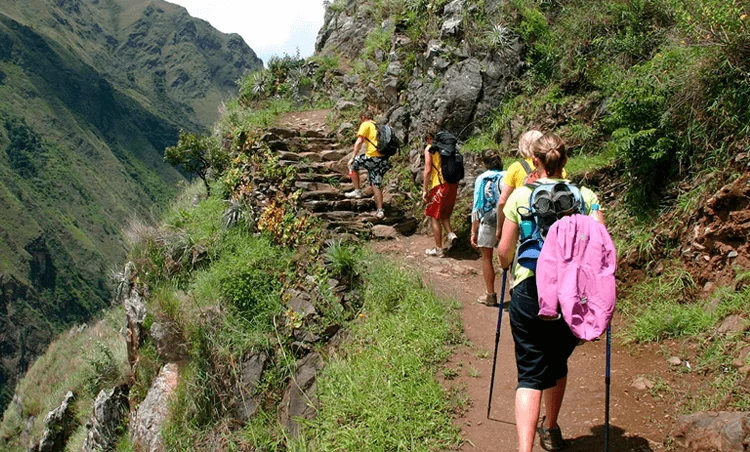
How to Prepare for the Inca Trail 4 Days in 2026: Your Ultimate Guide to an Unforgettable Adventure
The whisper of the Andes calls to countless adventurers, promising a journey through time, nature, and self-discovery. Among the ancient paths that crisscross these majestic mountains, none captivate the imagination quite like the Inca Trail. This legendary route, culminating at the breathtaking citadel of Machu Picchu, is more than just a trek; it's a pilgrimage, a challenge, and an immersion into the heart of a lost empire. As you dream of walking in the footsteps of the Incas in 2026, the key to unlocking this extraordinary experience lies in thorough preparation.
Imagine waking to the crisp mountain air, the first rays of sun painting the peaks in hues of gold and crimson, and the anticipation of ancient wonders around every bend. The 4-day Inca Trail is an unparalleled opportunity to connect with Peru's rich history and stunning natural beauty. From lush cloud forests to dramatic mountain passes, each step brings you closer to the spiritual heart of the Incas. But such an epic journey demands respect and readiness. This comprehensive guide will equip you with everything you need to know to prepare physically, mentally, and logistically for your 2026 Inca Trail adventure.
Why the Inca Trail is a Journey of a Lifetime (and Why Preparation Matters)
The Inca Trail isn't just a hike; it's an archaeological marvel, a testament to Inca engineering, and a vibrant ecosystem all rolled into one. Over four days, you'll traverse diverse landscapes, from high Andean plains to subtropical cloud forests, encountering numerous Inca ruins along the way that serve as poignant precursors to Machu Picchu itself. The trail offers a unique blend of physical challenge, cultural immersion, and breathtaking scenery, culminating in that iconic sunrise view from the Sun Gate (Inti Punku) over Machu Picchu.
This journey, however, is physically demanding. It involves significant altitude gains and descents, long hiking days, and varying weather conditions. Proper preparation isn't just about making the trek enjoyable; it's about ensuring your safety, maximizing your chances of reaching Machu Picchu feeling strong and invigorated, and truly appreciating every moment of this once-in-a-lifetime experience.
Physical Preparation: Building Your Andean Endurance
Embarking on the 4-day Inca Trail requires a good level of physical fitness. While you don't need to be an Olympic athlete, a consistent training regimen will significantly enhance your experience. Start preparing at least 2-3 months before your departure, focusing on cardiovascular endurance, leg strength, and stamina.
Key Training Components:
- Cardiovascular Training: This is crucial for hiking at altitude. Incorporate activities like running, cycling, swimming, or brisk walking for 30-60 minutes, 3-4 times a week. Aim to increase your heart rate and sustain it.
- Hiking Practice: The best way to prepare for hiking is to hike! If possible, find trails with varied terrain, including ascents and descents, and carry a weighted backpack similar to what you'll carry on the trail. This will help you break in your hiking boots and test your gear.
- Strength Training: Focus on your legs, core, and back. Lunges, squats, step-ups, and planks will build the necessary muscle groups to tackle steep inclines and declines, especially the infamous Inca steps.
- Stair Climbing: The Inca Trail is famous for its stone steps. Incorporate stair climbing into your routine, either on a stair machine or by finding a tall building or stadium.
- Flexibility: Stretching before and after your workouts will help prevent injuries and improve your range of motion.
💡 Local Guide Tip: Don't underestimate the power of consistent, moderate exercise. Even daily long walks can make a huge difference. If you live at sea level, try to simulate altitude training if possible, or at least focus on building a strong aerobic base. Remember, slow and steady wins the race on the Inca Trail!
Acclimatization: Your Non-Negotiable First Step in Cusco
Altitude sickness, or "Soroche," is a genuine concern for travelers to the high Andes. Cusco, at an elevation of 3,399 meters (11,152 feet) above sea level, is significantly higher than many people are accustomed to. While Machu Picchu itself is lower at 2,430 meters (7,972 feet), the Inca Trail involves much higher altitudes, including the notorious Dead Woman's Pass.
Mandatory Acclimatization Period:
We strongly recommend spending a minimum of two full days in Cusco or the Sacred Valley before starting any high-altitude trekking, including the Inca Trail. The Sacred Valley, with towns like Ollantaytambo and Urubamba situated around 2,792 - 2,870 meters, offers a slightly lower altitude base for a gentler acclimatization process.
Tips for Acclimatization:
- Hydrate Constantly: Drink 2 to 3 liters of water daily, starting even before you arrive in Cusco. Avoid alcohol and excessive caffeine.
- Eat Lightly: Opt for easily digestible, carbohydrate-rich foods. Avoid heavy, fatty meals, especially during your first 24-48 hours.
- Rest: Take it easy on your first day. Avoid strenuous activities.
- Coca Tea: A traditional Andean remedy, coca tea can help alleviate mild altitude sickness symptoms. It's readily available in hotels and restaurants.
- Listen to Your Body: If you experience severe symptoms (persistent headache, nausea, dizziness, extreme fatigue), inform your guide immediately. Do not push yourself.
💡 Local Guide Tip: While in Cusco, consider a gentle activity like a Cusco City Tour or a leisurely stroll through the Plaza de Armas on your first day. For your second day, a Full Day Sacred Valley of the Incas tour is an excellent way to explore fascinating sites at a slightly lower altitude while continuing your acclimatization.
Booking Your Inca Trail Adventure for 2026: The Essentials
The Inca Trail is not a spontaneous trip. Due to strict government regulations and limited daily permits, booking well in advance is absolutely essential, especially for 2026.
Permit Regulations:
- The Peruvian Ministry of Culture (MINCUL) strictly limits access to the Inca Trail to 500 people per day. This quota includes trekkers, guides, and porters.
- Permits are non-transferable and non-refundable.
- The trail is closed every February for maintenance.
When to Book for 2026:
- Peak Season (May-September): Book 6 to 8 months in advance, or even earlier if your travel dates are fixed. Permits for popular months can sell out within minutes of release.
- Shoulder Season (April, October, November): Book 4 to 6 months in advance.
- Low Season (December, January, March): Book 3 to 4 months in advance.
How to Book:
Official Inca Trail permits are managed exclusively by the Ministry of Culture of Peru (tuboleto.cultura.pe). However, you cannot purchase these permits directly as an individual; they must be secured through an authorized travel agency.
As a local Cusco travel and tourism agency authorized by DIRCETUR, Inca Expedition includes the formal management and securing of your Inca Trail permits as part of our comprehensive packages. This ensures a smooth and worry-free booking process.
💡 Local Guide Tip: Have your passport details ready when booking, as they are required for permit applications and must match the passport you'll use for travel. Any discrepancies can lead to denied entry to the trail. Also, be aware that official prices for government tickets and train fares vary by season, nationality, and type of service.
The Ultimate Inca Trail Packing List 2026: What to Bring and What to Leave
Packing smart is key to a comfortable and successful trek. Remember, your main luggage will be stored in Cusco, and you'll only carry a daypack with essentials. Porters will carry the rest of your gear (up to a specified weight limit, typically 5-7 kg per person, including your sleeping bag and mat).
Essential Documents:
- Original passport (must match the one used for booking)
- Inca Trail permit (provided by your agency)
- Valid student ID (ISIC card) if you purchased a student ticket
- Travel insurance information
- Local currency (Peruvian Soles) for tips, snacks, and emergencies
Clothing (Layering is Crucial!):
The Andean weather can change rapidly, from warm sun to cold rain, sometimes all in one day. Layers allow you to adapt.
| Item Category | Recommended Items Footwear: * Hiking boots (broken in!) * Camp shoes/sandals for the Inca Trail campsites * Extra socks (wool or synthetic, not cotton) * Gaiters (optional, but good for muddy conditions)
Health & Safety:
- Personal medications
- Basic first-aid kit (band-aids, antiseptic wipes, pain relievers, blister treatment)
- Sunscreen (SPF 30+)
- Lip balm with SPF
- Insect repellent (with DEET or picaridin)
- Hand sanitizer
- Small towel (quick-drying)
- Headlamp or small flashlight with extra batteries
- Small mirror and comb/brush
- Biodegradable soap/shampoo
- Toilet paper (small roll)
- Water purification tablets or a filter bottle (optional, but recommended)
- Small garbage bag (to pack out your waste)
Personal Items & Comfort:
- Daypack (20-30 liters)
- Sleeping bag (comfort rating -5°C / 23°F is ideal for Andean nights)
- Inflatable sleeping mat (often provided, but check with your agency)
- Trekking poles (highly recommended for stability and reducing knee impact)
- Camera with extra battery/memory card
- Portable charger/power bank for electronics
- Snacks (energy bars, nuts, dried fruit – your agency provides meals, but extra snacks are good)
- Book or journal
- Small pillow or inflatable pillow
- Sunglasses
- Hat for sun protection
- Warm hat/beanie for cold nights
- Gloves
What to Leave Behind:
- Large suitcases (store them at your Cusco hotel)
- Valuables you don't need on the trail
- Excessive electronics
- Glass bottles or non-biodegradable items
💡 Local Guide Tip: Renting a good quality sleeping bag and trekking poles from your agency in Cusco is often a convenient and cost-effective option if you don't own them or don't want to travel with them. Always test your gear, especially your boots, before the trek!
Navigating the Trail: Understanding the 4-Day Itinerary Highlights
The 4-day Inca Trail is a meticulously planned route, designed to challenge and reward. Here's a brief overview of what each day generally entails:
-
Day 1: Gentle Introduction to the Inca Path
- Starts from Km 82 (Piscacucho) near Ollantaytambo.
- Relatively flat terrain, gradually ascending.
- Passes through agricultural areas and small Inca sites like Patallacta.
- Camping near Wayllabamba (approx. 3,000 m / 9,842 ft).
- Distance: ~12 km (7.5 miles)
- Hiking time: 5-6 hours
-
Day 2: The Challenge of Warmiwañusqa (Dead Woman's Pass)
- The most demanding day, featuring a steep ascent to the highest point of the trail.
- Dead Woman's Pass (Warmiwañusqa): 4,215 meters (13,828 feet). This is a significant altitude gain from the previous night's camp.
- Followed by a steep descent into the Pacaymayo Valley.
- Camping in Pacaymayo (approx. 3,600 m
Frequently Asked Questions
¿Cuál es la mejor época para viajar a Cusco y Machu Picchu?
La temporada seca (de mayo a octubre) ofrece días soleados y menor probabilidad de lluvia.
¿Cómo prepararse para la altura en Cusco?
Descansar el primer día, beber bastante agua, tomar mate de coca y evitar comidas pesadas.
¿Con cuánta anticipación debo reservar para la temporada 2026?
Para Machu Picchu y Camino Inca en 2026 se recomienda reservar con 2 a 5 meses de anticipación debido al límite estricto de boletos.
¿Qué ropa llevar a las caminatas en los Andes?
Ropa en capas: térmicas, cortavientos impermeable, zapatos de trekking con buen agarre y protección solar.