What to Pack for Vinicunca Rainbow Mountain in 2026: Your Essential Guide to an Andean Adventure
What to Pack for Vinicunca Rainbow Mountain in 2026: Your Essential Guide to an Andean Adventure
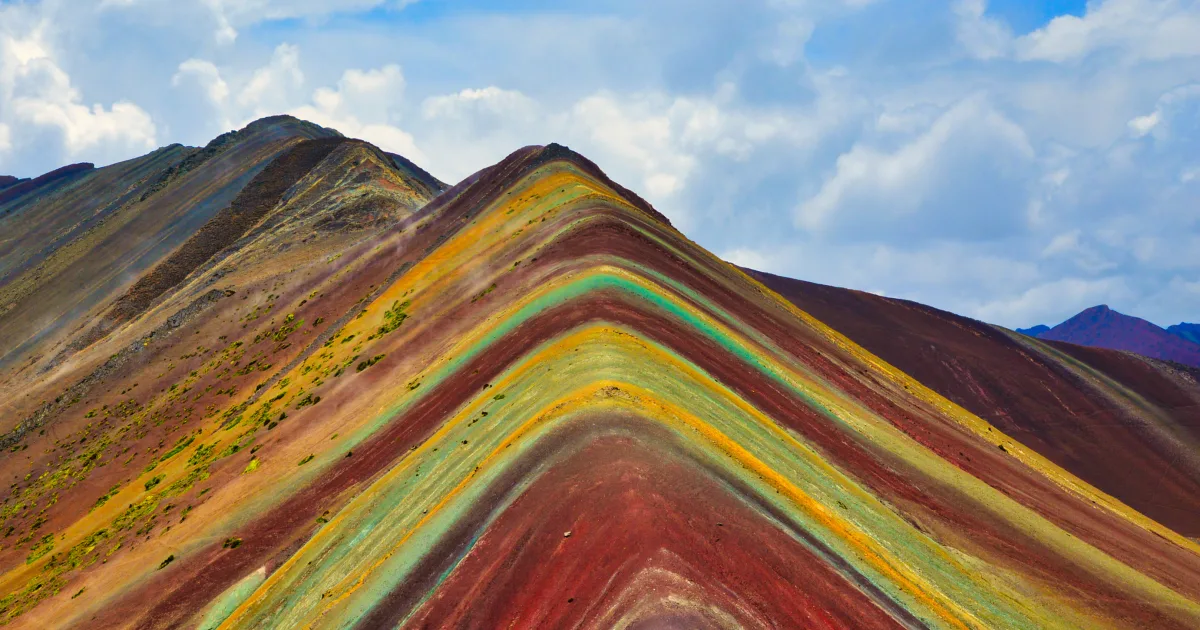
Imagine a natural canvas where the earth itself has been painted with the colors of the rainbow, a geological spectacle that defies imagination. This is the Mountain of 7 Colors, or Vinicunca, a hidden treasure in the heights of the Cusco Andes that has captivated travelers worldwide. Its beauty is undeniable, but its access, at over 5,000 meters above sea level, demands careful preparation and the right equipment.
The adventure to Vinicunca is one of the most rewarding experiences Peru has to offer in 2026. However, to fully and safely enjoy it, knowing exactly what to pack is essential. Weather conditions at these altitudes can be extreme and unpredictable, shifting from radiant sunshine to icy winds or even snowfall in a matter of hours. Therefore, a well-thought-out packing list is not just a recommendation; it's a necessity.
In this guide, we'll provide you with all the details to ensure your backpack is ready to face the challenges and savor every moment of this epic trek. From appropriate clothing to indispensable accessories and acclimatization tips, we'll help you prepare your trip to the Rainbow Mountain for an unforgettable and safe experience amidst the majestic Andean landscapes.
Vinicunca Rainbow Mountain: A Geological Spectacle in the Cusco Andes
Vinicunca, whose Quechua name means "mountain of colors," is a natural wonder that has become one of the most emblematic destinations in Cusco, Peru, in recent years. Located at an impressive altitude of 5,200 meters above sea level (17,060 feet), this mountain is part of the Vilcanota mountain range and offers a surreal landscape of colorful stripes ranging from turquoise and lavender to red and gold.
These hues are the result of the sedimentation of different minerals over millions of years, exposed by erosion and the movement of tectonic plates. The trek to Vinicunca not only rewards you with spectacular views but also immerses you in Andean culture, passing through local communities and observing native fauna such as llamas and alpacas. It's an experience that deeply connects you with the nature and history of this ancient land.
Climate and Conditions at Vinicunca: Prepare for the Unexpected (2026)
The climate at Rainbow Mountain Cusco is notoriously unpredictable and can change drastically in a short period. Given its high altitude, temperatures are generally low, especially in the early morning hours and at dusk.
During the dry season (May to October), clear skies and sunny days are more likely, allowing for a better appreciation of the mountain's colors. However, even during this time, winds can be intense, and the wind chill factor very low. Solar radiation is extremely strong due to the altitude, so protection is crucial.
In the rainy season (November to April), precipitation is more frequent, and the mountain may be covered in snow, which, while adding a magical touch, can hinder visibility of the colors and make the trek more demanding. Temperatures can drop even further.
💡 Local Guide Tip: The key to facing Vinicunca's climate is to dress in layers. This will allow you to add or remove garments according to temperature variations and weather conditions throughout the day. Never underestimate the cold or the sun at high altitudes.
What to Pack for Vinicunca Rainbow Mountain: Your Essential List for 2026
Preparing your backpack for Vinicunca is a crucial step to ensure a comfortable and safe experience. Here's a complete list of what you should bring:
Appropriate Clothing for Vinicunca: Layering Strategy
Appropriate clothing for Vinicunca should follow the three-layer principle for optimal protection against cold, wind, and moisture, without sacrificing breathability.
-
First Layer (Base Layer): Thermal Clothing
- Long-sleeved thermal shirt: Synthetic material or merino wool that wicks away moisture and retains body heat.
- Thermal pants: Similar to the shirt, to wear under trekking pants.
- Importance: This layer is fundamental for regulating body temperature and keeping the skin dry.
-
Second Layer (Mid-Layer): Insulation
- Fleece jacket or light down jacket: Provides thermal insulation. A medium-weight fleece is ideal.
- Importance: Traps warm air close to the body, offering additional warmth.
-
Third Layer (Outer Layer): Outer Protection
- Waterproof and windproof jacket: With a hood, preferably Gore-Tex or similar material.
- Waterproof or windproof pants: To wear over trekking pants in case of rain or snow.
- Importance: Protects you from icy wind, rain, and snow, keeping inner layers dry.
-
Additional Garments:
- Trekking pants: Comfortable, durable, and quick-drying. Avoid jeans.
- Trekking socks: Merino wool or synthetic, thick, and blister-proof. Bring an extra pair.
- Beanie or chullo: Wool or fleece, to protect your head from the cold.
- Cap or wide-brimmed hat: To protect yourself from the intense sun.
- Gloves: Waterproof or fleece to protect your hands from the cold.
Footwear: The Foundation of Your Comfort
- Waterproof trekking boots: With good ankle support and a non-slip sole. Make sure they are well broken-in to avoid blisters.
- Importance: Good footwear is vital for stability, comfort, and protection on uneven and potentially wet terrain.
Essential Gear and Accessories
- Small backpack (Daypack): 20-30 liters, to carry your personal belongings, water, and snacks.
- Water: Minimum 2 to 3 liters per person. Hydration is key at altitude.
- Energy snacks: Cereal bars, nuts, chocolate, dried fruit.
- Sunscreen: SPF 50+ or higher. UV radiation is very high.
- Sunglasses: With UV protection to shield your eyes from the sun and glare.
- Camera: With charged batteries and sufficient memory space.
- Power bank: To charge your phone or camera.
- Personal first-aid kit: With pain relievers, bandages, blister plasters, altitude sickness medication (if prescribed by your doctor), and any personal medications.
- Trekking poles: Highly recommended to aid with balance and reduce impact on knees, especially on the descent.
- Cash (Peruvian soles): For small purchases, tips, or horse rental (if needed).
- Identification documents: Passport or ID.
- Coca leaves or coca candies: Help alleviate mild symptoms of altitude sickness.
Acclimatization: Your Best Ally at Altitude
Vinicunca's altitude is a determining factor in the difficulty of the 7 Colors trek. Cusco city itself is located at 3,399 m.a.s.l. (11,152 feet), and while already a considerable altitude, Vinicunca is significantly higher.
It is mandatory and highly recommended to spend at least 2 full days resting in Cusco or the Sacred Valley (where the altitude is lower, around 2,792 - 2,870 m.a.s.l.) before attempting any trekking above 4,000 m.a.s.l. During this time:
- Constant hydration: Drink 2 to 3 liters of water daily.
- Light meals: Avoid fats and heavy foods.
- Rest: Avoid intense physical exertion.
- Coca tea: A natural aid for acclimatization.
💡 Local Guide Tip: Listen to your body. If you experience intense dizziness, severe headache, or nausea, inform your guide immediately. Do not push yourself. Acclimatization is a personal process, and not everyone reacts the same way.
Difficulty of the Vinicunca Trek: Are You Prepared? (2026)
The difficulty of the 7 Colors trek is classified as moderate to difficult, primarily due to the extreme altitude. The trekking distance varies depending on the starting point, but generally involves a gradual ascent of 1.5 to 2 hours from the parking lot to the main viewpoint.
Although the trail presents no major technical challenges, the thin air at 5,200 m.a.s.l. makes every step a greater effort. Lack of oxygen can cause fatigue, shortness of breath, and other symptoms of altitude sickness.
- Physical preparation: It is advisable to have an acceptable physical condition. Regular cardiovascular exercise in the weeks leading up to the trip can be very helpful.
- Horse option: For those who do not feel capable of completing the entire trek on foot, there is the option of renting horses with local arrieros (horsemen) for part of the journey (the cost is not included in standard tours and is paid directly to the arrieros). This can facilitate the ascent, although the last stretch to the summit must always be done on foot.
Additional Tips for an Unforgettable Vinicunca Experience
- Start early: Tours usually depart from Cusco very early in the morning to reach the mountain before crowds arrive and to experience better weather conditions.
- Respect the environment: Do not leave trash, do not touch or alter natural formations. Help preserve this beautiful place.
- Stay with your group and guide: It's easy to get disoriented on the mountain if you stray from the main path.
- Slow and steady pace: Do not try to rush. Walk at your own pace, taking breaks when necessary.
- Enjoy the scenery: Beyond the colorful mountain, the surroundings offer breathtaking views of glaciers, valleys, and wildlife.
If you're looking for a different way to explore this natural wonder, consider the exciting option of an ATV Rainbow Mountain Tour. This alternative allows you to cover part of the journey in a more dynamic and adventurous way, reducing trekking time and offering a unique perspective of the landscape.
Comparative Table: Essential vs. Recommended Items for Vinicunca
| Category | Essential (Must-Have) | Recommended (Enhances Experience) |
|---|---|---|
| Clothing | Thermal clothing (base layer), Fleece, Waterproof/windproof jacket, Trekking pants, Trekking socks, Beanie, Gloves | Waterproof pants, Neck gaiter/Buff, Extra socks |
| Footwear | Waterproof trekking boots | Light sandals for rest (on the bus) |
| Protection | Sunscreen (SPF 50+), Sunglasses | Lip balm with SPF |
| Hydration | 2-3 liters of water | Isotonic drinks, Coca tea |
| Food | Energy snacks (bars, nuts) | Fresh fruit, Light sandwiches |
| Gear | Small backpack, Personal first-aid kit, ID documents | Trekking poles, Power bank, Extra camera battery, Binoculars |
| Money | Peruvian soles in cash | Coins for restrooms or small souvenirs |
Frequently Asked Questions (FAQs) about Vinicunca Rainbow Mountain
What is the altitude of Vinicunca Rainbow Mountain?
The summit of Vinicunca Rainbow Mountain is located at 5,200 meters above sea level (17,060 feet).
Do I need to acclimatize before going to Vinicunca?
Yes, it is highly recommended and practically mandatory to spend at least 2 full days in Cusco (3,399 m.a.s.l.) or the Sacred Valley (approximately 2,800 m.a.s.l.) to acclimatize to the altitude before undertaking the Vinicunca trek.
What is the best time to visit Rainbow Mountain?
The best time is during the dry season, from May to October, when there is a higher probability of clear skies and a lower risk of rain or snow. However, the weather can be unpredictable at any time of year.
Is it possible to go to Vinicunca in a single day from Cusco?
Yes, a visit to Vinicunca Rainbow Mountain is generally done as a full-day tour from Cusco. Tours usually start very early in the morning and return to Cusco in the late afternoon.
Conclusion: Prepare and Live the Magic of Vinicunca in 2026
Vinicunca Rainbow Mountain is much more than a destination; it's an experience that connects you with the majesty of the Andes and the rich culture of Peru. Preparing adequately, from clothing to acclimatization, is the key to fully enjoying this dreamlike landscape and creating memories that will last a lifetime. Do not underestimate the altitude or the changing weather conditions, but also do not let them intimidate you. With the right information and equipment, your adventure will be as rewarding as the views that await you.
At Inca Expedition, our team of local guides in Cusco is always ready to advise and accompany you on this and other adventures. As an Authorized Local Travel Agency by DIRCETUR Cusco, we specialize in offering authentic, safe, and personalized experiences, ensuring every detail of your trip to Vinicunca is carefully planned. Let us be part of your expedition to the colors of Peru in 2026!
Frequently Asked Questions
What is the altitude of the Vinicunca Rainbow Mountain?
The summit of Vinicunca Rainbow Mountain is located at 5,200 meters above sea level (17,060 feet).
Do I need to acclimatize before going to Vinicunca?
Yes, it is highly recommended to spend at least 2 full days in Cusco (3,399 masl) or the Sacred Valley to acclimatize to the altitude before the Vinicunca hike.
What is the best time to visit the Rainbow Mountain?
The best time is during the dry season, from May to October, when there is a higher probability of clear skies and a lower risk of rain or snow.
Is it possible to go to Vinicunca in a single day from Cusco?
Yes, the visit to Vinicunca Rainbow Mountain is generally done as a full-day tour from Cusco, starting very early in the morning.