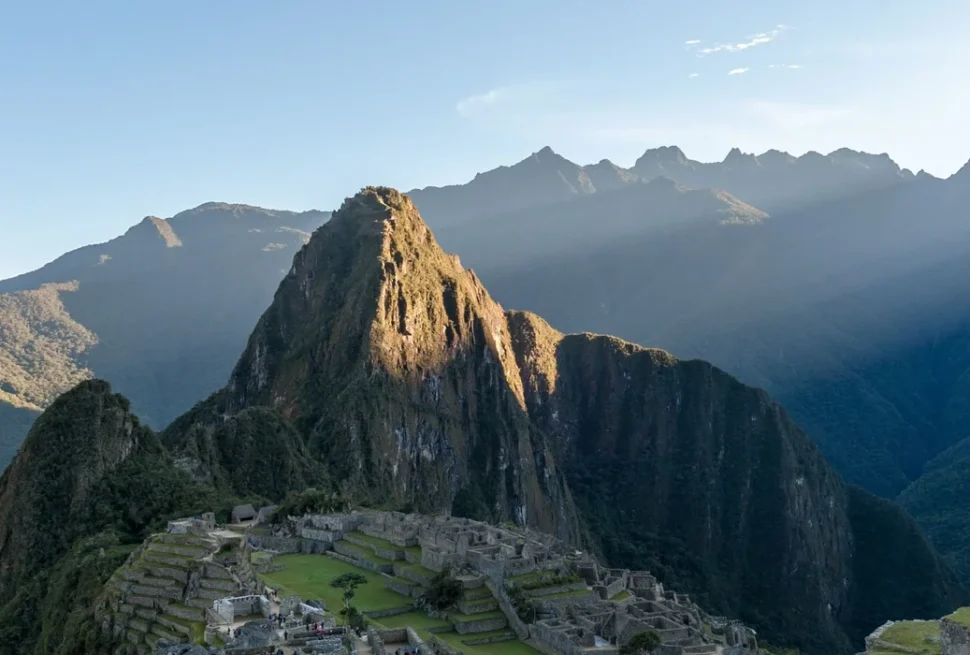
Peru is a vibrant country full of wonders, from the heights of the Andes to the lush Amazon rainforest and historic Pacific coast. However, as with any destination, it is essential to be informed and take precautions to ensure a safe and smooth trip. In this guide, we offer you essential tips so that you can fully enjoy your Peruvian adventure with peace of mind.
Before You Travel: Planning and Preparation

- Research and plan your itinerary: Familiarize yourself with the regions you will visit. Learn about local customs, possible safety alerts, and emergency numbers.
- Important documents: Make digital and physical copies of your passport, visa (if necessary), flight tickets, hotel reservations and any other relevant documents. Store copies in separate places from the originals.
- Travel insurance: Take out travel insurance that covers medical expenses, trip cancellation, loss of luggage and other eventualities. Carefully review the coverage and exclusions.
- Health information: Consult your doctor about any vaccinations recommended or required for the areas you will visit. Carry a basic first aid kit with personal medications and for common problems such as altitude sickness (soroche), especially if you plan to visit high-altitude areas such as Cusco or Puno.
- Currency and finances: Find out about the exchange rate of the Peruvian sol (PEN). Carry a mix of cash (in soles and US dollars for emergencies) and credit/debit cards. Notify your bank of your travel plans to avoid card blocking.
- Communicate: Purchase a local SIM card or make sure your roaming plan works in Peru. Having access to the internet and communication is vital for security and information.
During your Trip: Precautions and Safety Tips

Personal safety:
- Valuables: Do not display expensive jewelry, high-end cameras or large amounts of money in public. Use crossbody bags and keep your money and important documents in a safe, discreet place (like a money belt under your clothes).
- Crowded areas: Be especially careful with your belongings in markets, bus stations and other crowded places, where pickpockets can operate.
- Walking at night: Avoid walking alone on poorly lit or unknown streets, especially in large cities. Use taxis from recognized companies or reliable transport applications.
- Alcohol and drugs: Be aware of your limits when consuming alcohol and avoid any contact with illegal drugs.
- Trust your instinct: If a situation or person makes you distrustful, stay away.
Safe transportation:
- Taxis: Use official taxis or those recommended by your hotel. Agree on the rate before boarding. Transportation apps are a safe and increasingly popular option in major cities.
- Buses: For long trips, choose recognized bus companies with good references in terms of safety and punctuality. Keep your belongings close during the trip.
- Car rental: If you decide to rent a car, make sure the company is reliable and check the condition of the vehicle before signing the contract. Drive carefully, especially on mountain roads.
Health and well-being:
- Food and water: Consume bottled or treated water. Be careful with the food you eat on the street; Choose clean places with a good reputation.
- Altitude sickness (soroche): If you travel to high altitude areas, ascend gradually to allow your body to acclimatize. Drink plenty of water, avoid heavy meals and alcohol in the first days.
- Sun protection: The sun at height can be very strong. Use high factor sunscreen, a hat and sunglasses, even on cloudy days.
- Insect bites: In jungle areas or hot areas, use mosquito repellent to prevent bites and possible diseases transmitted by insects.
Interaction with the local community:
- Be respectful: Dress appropriately when visiting churches and sacred places. Be courteous and patient in your interactions.
- Learn some basic phrases in Spanish: This will facilitate communication and show your interest in the local culture.
- Be aware of cultural differences: Do some research on local customs to avoid misunderstandings.
Useful information and contacts:
- Embassy or consulate of your country: Have on hand the address and telephone number of the embassy or consulate of your country in Peru.
- Emergency numbers: Police (105), Firefighters (116), Medical Emergencies (117).
- Your hotel: Save the address and phone number of your accommodation.
In case of emergency:
- Keep calm and evaluate the situation.
- Call the appropriate emergency numbers.
- Contact your embassy or consulate if necessary.
- Inform your hotel or travel agency about what happened.
By following these tips and staying attentive, you can enjoy a safe and enriching trip through the wonders of Peru. Have a good trip!